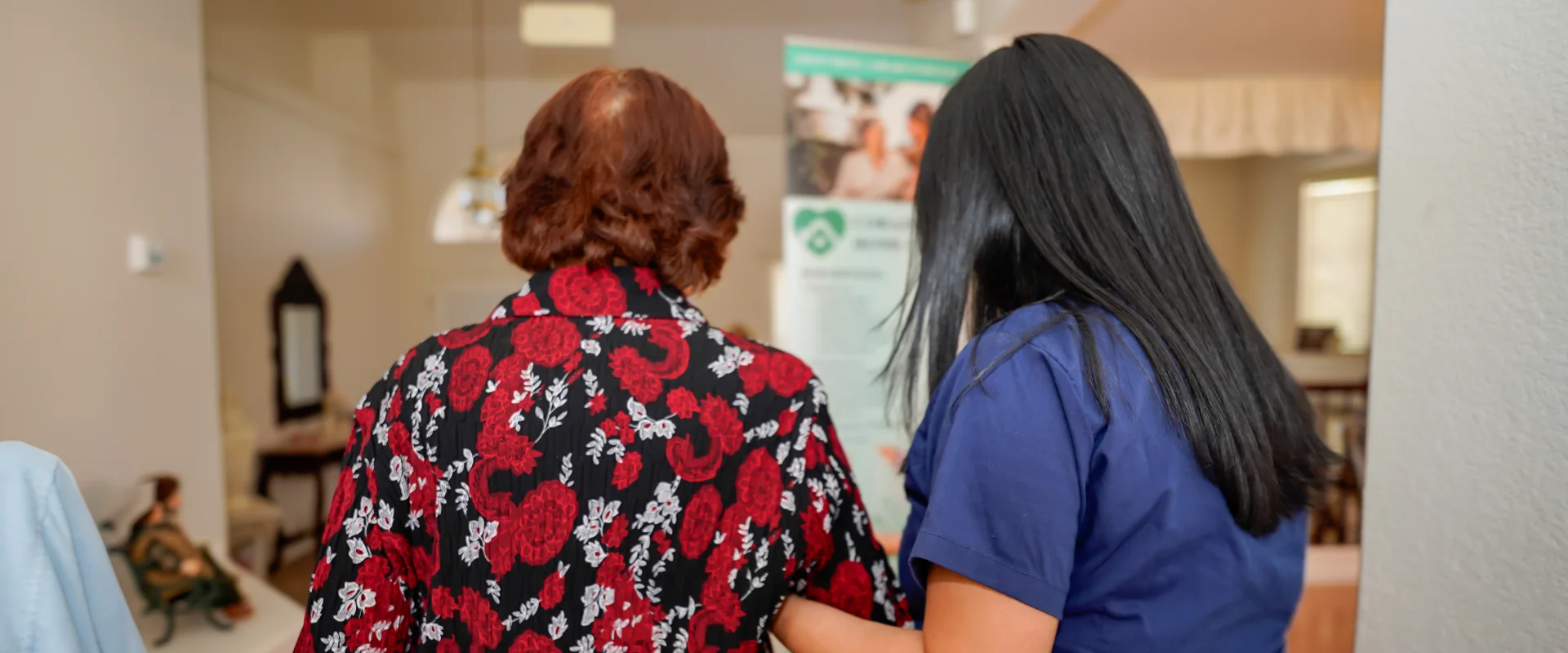
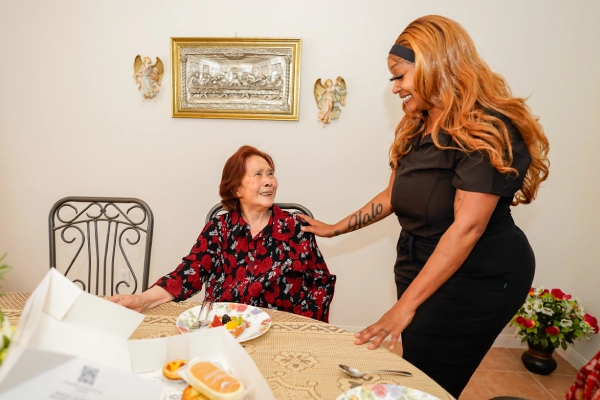
Memory loss rarely arrives all at once. It creeps in—missed appointments, forgotten names, confusion about the day. Families spot these changes before any doctor confirms a diagnosis. A parent repeats the same question minutes apart. A spouse gets lost on a familiar street. These moments unsettle, but they also point to a need for support that can't wait for a crisis. For families in Las Vegas, these early signs often prompt the search for specialized care options close to home.
Once forgetfulness starts interfering with daily life, the stakes shift. Safety and comfort become the focus, not just age. Many families hope things will settle down, but memory loss doesn't pause or reverse. Bringing in help early keeps routines steady and stress lower for everyone involved.
What We See When Memory Slips
Small changes often signal bigger shifts. A parent who always cooked now leaves the stove on. Someone who managed bills for years forgets to pay. These aren't just slips—they're signs the brain is struggling to keep up with daily life.
- Repeating Questions or Stories: Asking the same thing again and again, often without realizing it's a repeat.
- Losing Track of Time or Place: Not knowing the day, feeling lost at home, or forgetting how they arrived somewhere.
- Trouble Following Conversations: Struggling to keep up or losing words mid-sentence.
- Misplacing Items Frequently: Putting things in odd spots and not remembering where they went.
- Withdrawing from Social Activities: Skipping gatherings or hobbies they once enjoyed, often without explanation.
These signs don't mean someone must leave home. They mean it's time to rethink how care happens. With the right support, seniors stay where they're comfortable and get help with what's become difficult. In-home dementia care steps in to fill those gaps.
How We Build Routines That Work
When memory fades, routines become anchors. Meals at the same time, medication reminders given consistently, and daily activities that follow a familiar pattern—these details help seniors feel less anxious and more secure. Predictability doesn't cure memory loss, but it eases the confusion that comes with it.
- Consistent Meal Times: Eating on a schedule keeps the day predictable and helps with appetite.
- Medication Reminders: Gentle reminders help seniors take their medications on time as prescribed by their doctor.
- Familiar Daily Activities: Folding laundry, watering plants, or listening to music brings comfort and purpose.
- Visual Cues and Labels: Signs and labels on doors or drawers help seniors find their way around.
- Calm, Predictable Environment: Less clutter and noise make it easier to focus and feel safe.
Every person responds differently. What calms one senior might frustrate another. That's why we take time to learn each person's habits and preferences, shaping routines that fit their life—not forcing them into a mold. Our team has supported families throughout Las Vegas neighborhoods, adapting routines to local lifestyles and preferences.
How We Keep Seniors Safe at Home
As dementia progresses, safety risks multiply. Someone might forget they've already eaten and try to cook again, or wander outside and lose their way. Medication can be taken twice, or not at all. These aren't rare events—they happen more often than families expect, and they demand practical solutions.
- Stove and Appliance Monitoring: Supervision or automatic shut-offs prevent kitchen accidents.
- Secure Exits and Alarms: Door alarms or locks placed out of easy reach help prevent wandering.
- Medication Reminders: Caregivers provide timely reminders to help seniors take medications as directed.
- Fall Prevention Measures: Removing tripping hazards and adding grab bars keeps movement safer.
- Supervision During Bathing: Help with showers or baths prevents slips and confusion over water temperature.
Safety plans change as needs change. We stay alert to new risks and adjust our approach, always aiming to protect independence without making anyone feel watched or restricted. Home care benefits extend beyond safety, supporting both seniors and their families.
How We Communicate When Words Get Lost
When dementia clouds understanding, conversations can stall. A question might not register, or a familiar face might seem strange. Frustration builds quickly, and that can lead to agitation or withdrawal. Our caregivers adjust their approach in real time, reading the moment and responding with patience.
- Use Simple, Clear Language: Short sentences and one idea at a time help conversations flow.
- Avoid Arguing or Correcting: Redirect gently instead of insisting on facts.
- Maintain Eye Contact and Calm Tone: Nonverbal cues matter as much as words.
- Give Time to Respond: Rushing only adds to confusion.
- Validate Emotions, Not Confusion: Acknowledge feelings, even if the reason isn't clear.
Communication strategies shift as dementia changes. We adapt, always focused on reducing distress and keeping connections strong. Common questions about dementia care often come up as families face these changes.
When Families Turn to Us for Support
Caregiving at home wears families down over time. Sleepless nights, constant worry, and the pressure of balancing work and care can't be sustained forever. Eventually, families realize they need help that goes beyond what they can provide alone.
Bringing in a professional caregiver isn't giving up—it's making sure your loved one gets the right support. We work with families to build a plan that fits both the senior's needs and the family's schedule. Whether it's a few hours a week or daily care, our focus stays on dignity, safety, and quality of life.
When it's no longer safe for someone to be alone, or when daily routines become overwhelming, we step in with experience and understanding. Our caregivers know what dementia care requires and bring patience to every situation. Home care testimonials from Las Vegas clients highlight the peace of mind that comes from having local, trusted caregivers in their homes.
Let's Talk About What Your Family Needs
If you're noticing changes in your loved one's memory or behavior, now's the time to explore your options. Call Corazon Home Care at 702-670-0151 or schedule an assessment to talk through what's happening and how we can help.